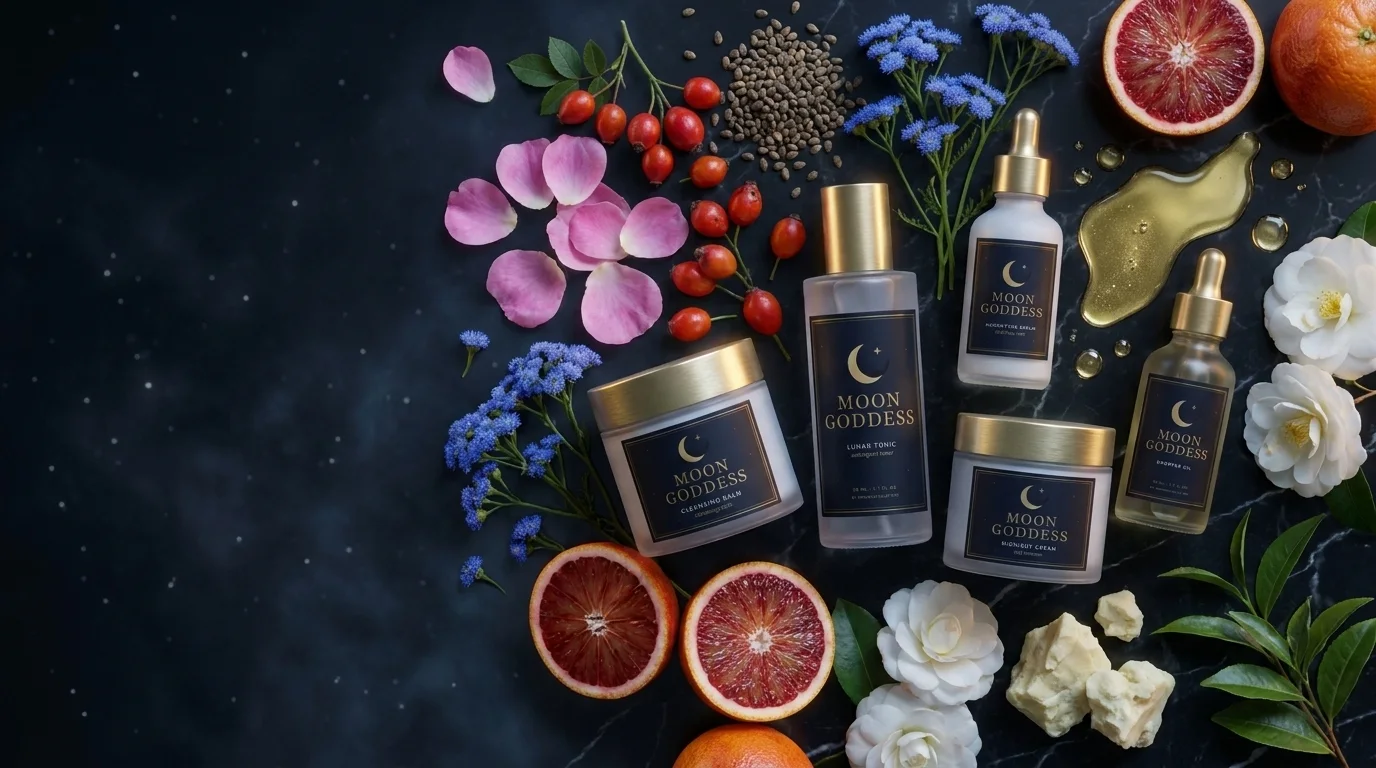
Every ingredient earns its place. Here is why.
No filler, no fragrance, no mystery. What each one is, what it does for your skin, and where to find it.
Skin has simple needs. Meet them well.
Cleanse without stripping, hydrate in every layer, protect by day, repair by night. Sixteen ingredients do most of that work. The rest support them.
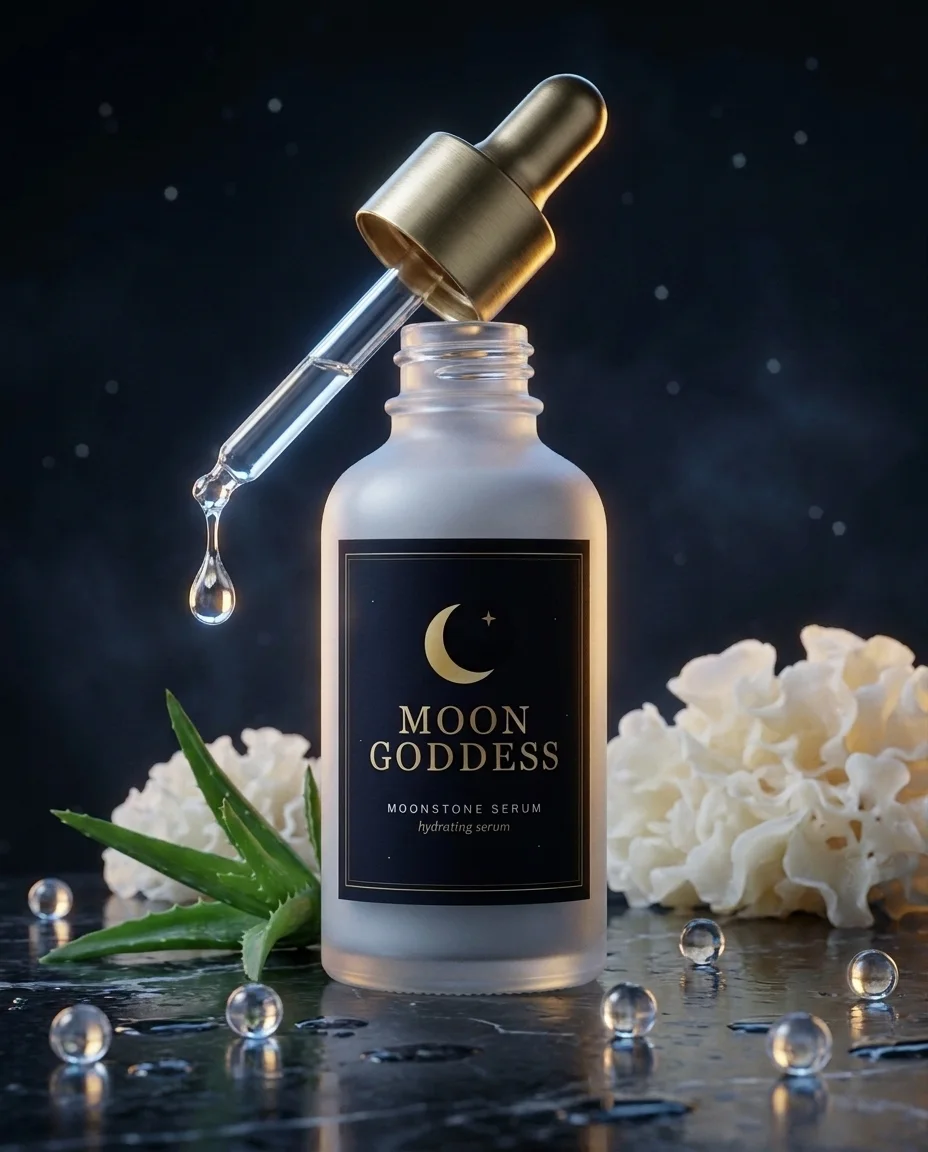
Aloe vera
The clear gel inside the aloe leaf is mostly water, but the rest is a rare mix: polysaccharides that hold moisture against the skin, enzymes, amino acids, and vitamins A, C and E. Monique's favorite ingredient, and the one that appears in more of our formulas than any other.
What it does for you
Cools and calms on contact, so redness and that post-cleansing tightness settle within seconds. Hydrates without any weight or film, which is why it works in a mist, a serum and an eye cream alike. It also helps the skin's own repair along, the reason it has been the first thing people reach for after sun for centuries. Skin simply feels comfortable, and comfortable skin looks better.
Found in
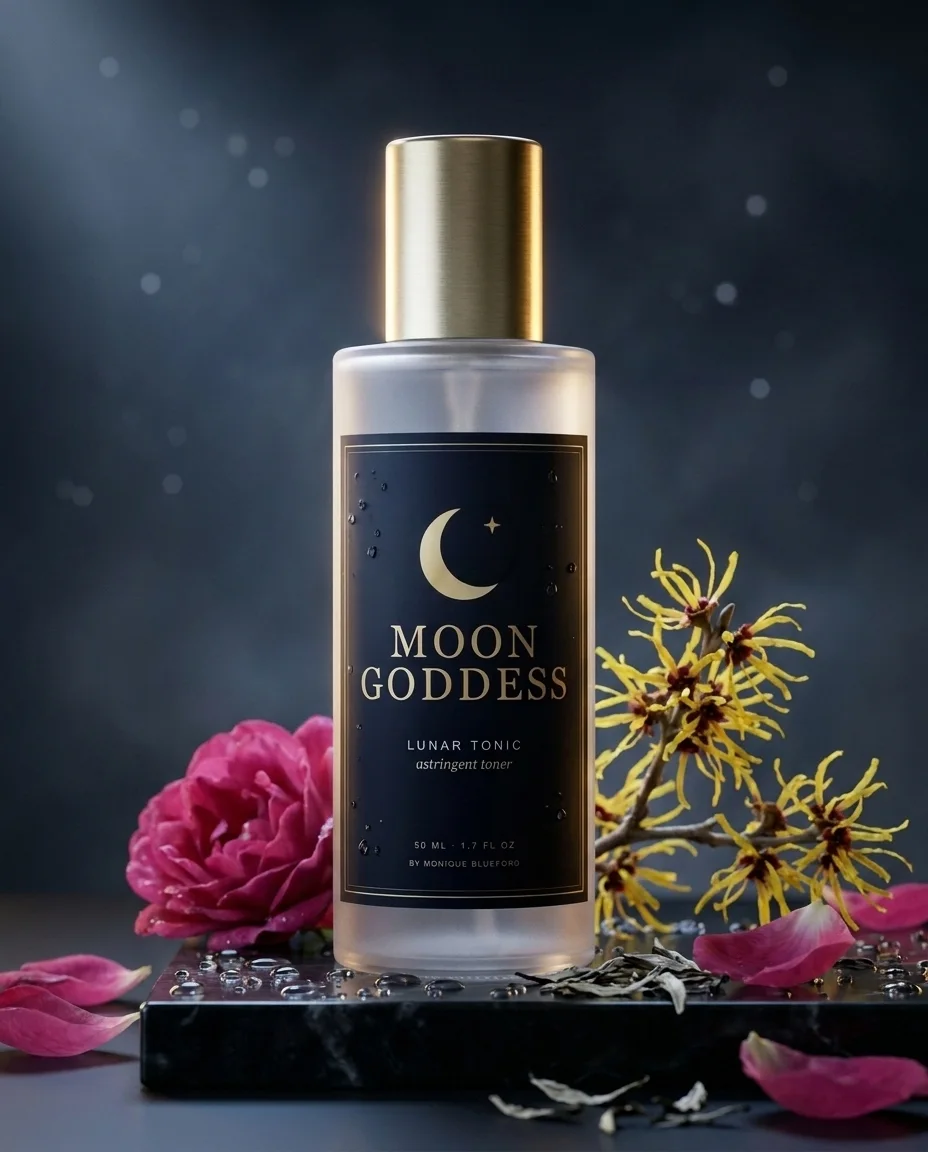
Damask rose water
The water distilled from damask rose petals, the same variety used for rose oil. Mild, naturally soothing, and gentle enough for skin that reacts to almost everything.
What it does for you
Calms redness and that tight feeling after cleansing, lightly hydrates, and leaves skin cool and comfortable. It is the reason the tonic feels like relief rather than a sting.
Paired with witch hazel, alcohol-free
Hamamelis virginiana. An astringent from the bark and leaves of the witch hazel shrub. Our extract is distilled without alcohol, so it tightens the look of pores and clears what cleansing leaves behind without drying the skin out. White tea adds antioxidants that defend against everyday oxidation.
Found in
Hyaluronic acid, three weights
A sugar molecule your skin already makes, which can hold many times its weight in water. We use three molecular sizes: the large one sits on the surface, the medium reaches the upper layers, the small travels deeper.
What it does for you
Skin looks plumper and fine lines soften, because the water is being held where it is needed instead of sitting on top. Snow mushroom, a plant source of similar molecules, and panthenol (provitamin B5) extend the effect.
Paired with niacinamide, 5%
Vitamin B3. One of the most studied skincare ingredients there is. At 5% it helps even out tone, supports the skin barrier, and calms the look of blotchiness, without the irritation that stronger actives can bring.
Found in
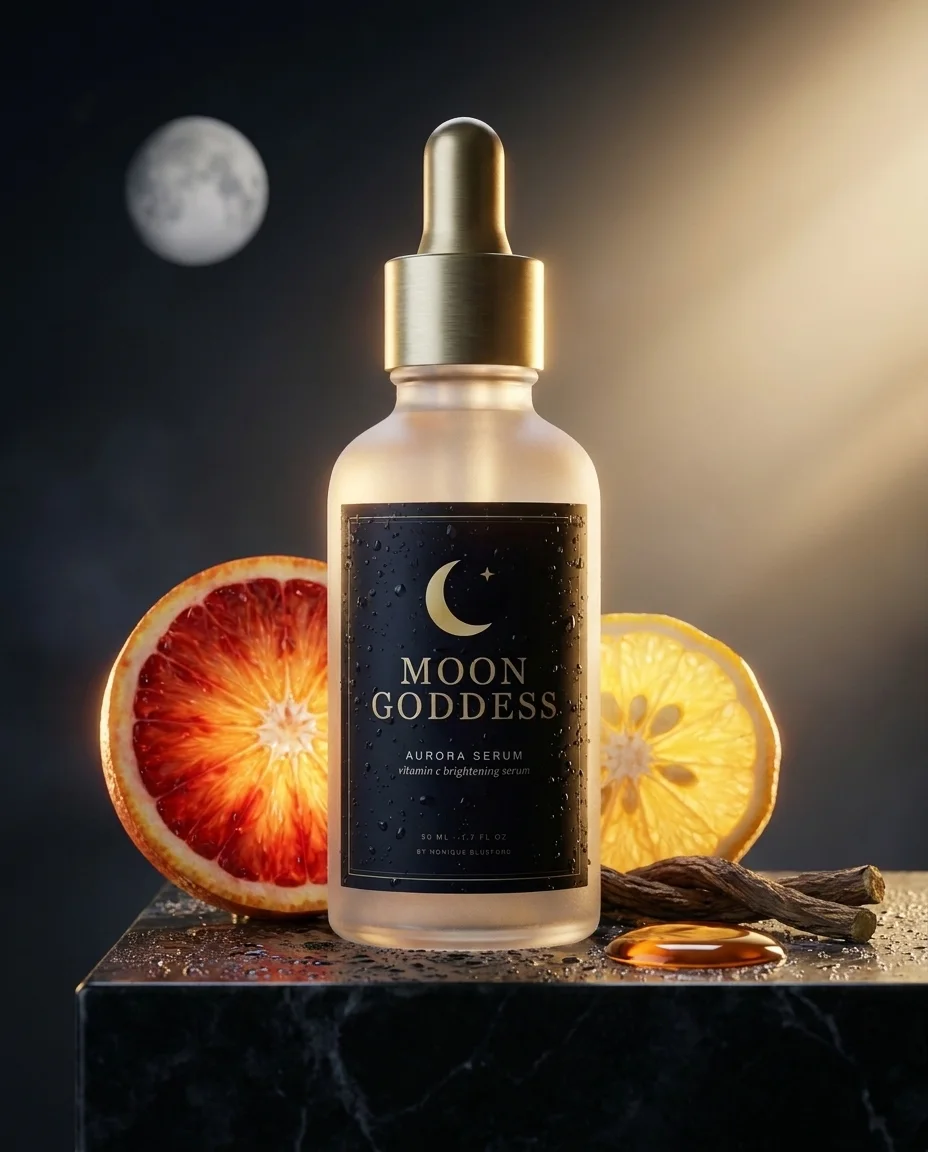
Stable vitamin C, 15%
Most vitamin C breaks down in the bottle within weeks. This oil-soluble form stays stable, absorbs well, and does not sting. Ferulic acid, a plant antioxidant, protects it and roughly doubles its defensive power.
What it does for you
Helps fade dark spots and post-blemish marks over weeks, supports collagen, and shields skin from the daily oxidation that dulls it. Licorice root adds a second, gentler brightening path. This is the serum for a face that glows without highlighter.
Found in
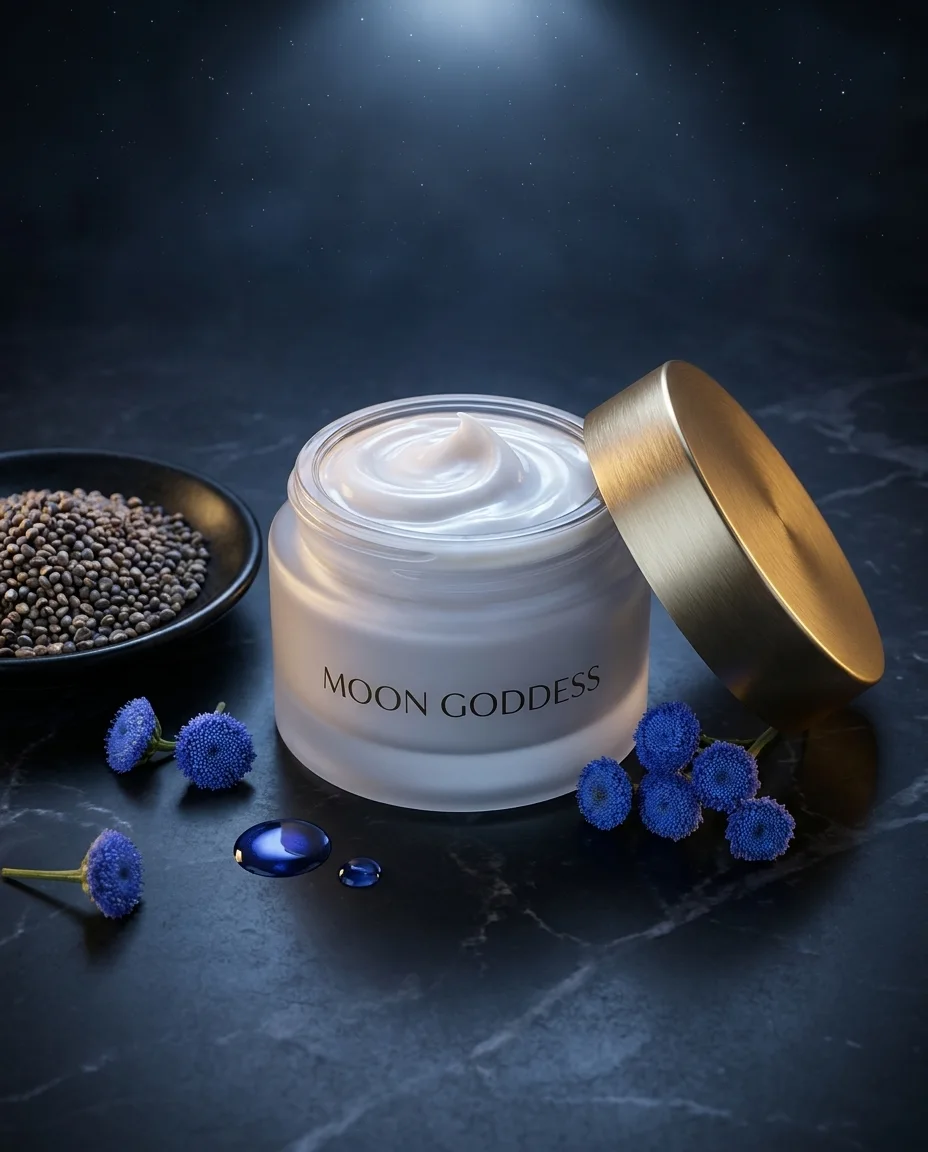
Bakuchiol
A plant extract that behaves like retinol in the skin, encouraging cell turnover and collagen, but without retinol's peeling, redness, or sun sensitivity. Safe to use every night, and during pregnancy, where retinol is not.
What it does for you
Over a month, texture smooths, fine lines soften, and tone looks more even. You wake up to skin that looks rested, not irritated.
Paired with peptides and blue tansy
Peptides are short chains of amino acids that signal skin to support its own collagen. Blue tansy, Tanacetum annuum, owes its indigo color to chamazulene, a compound prized for calming the skin, which is why the night cream soothes as it works.
Found in
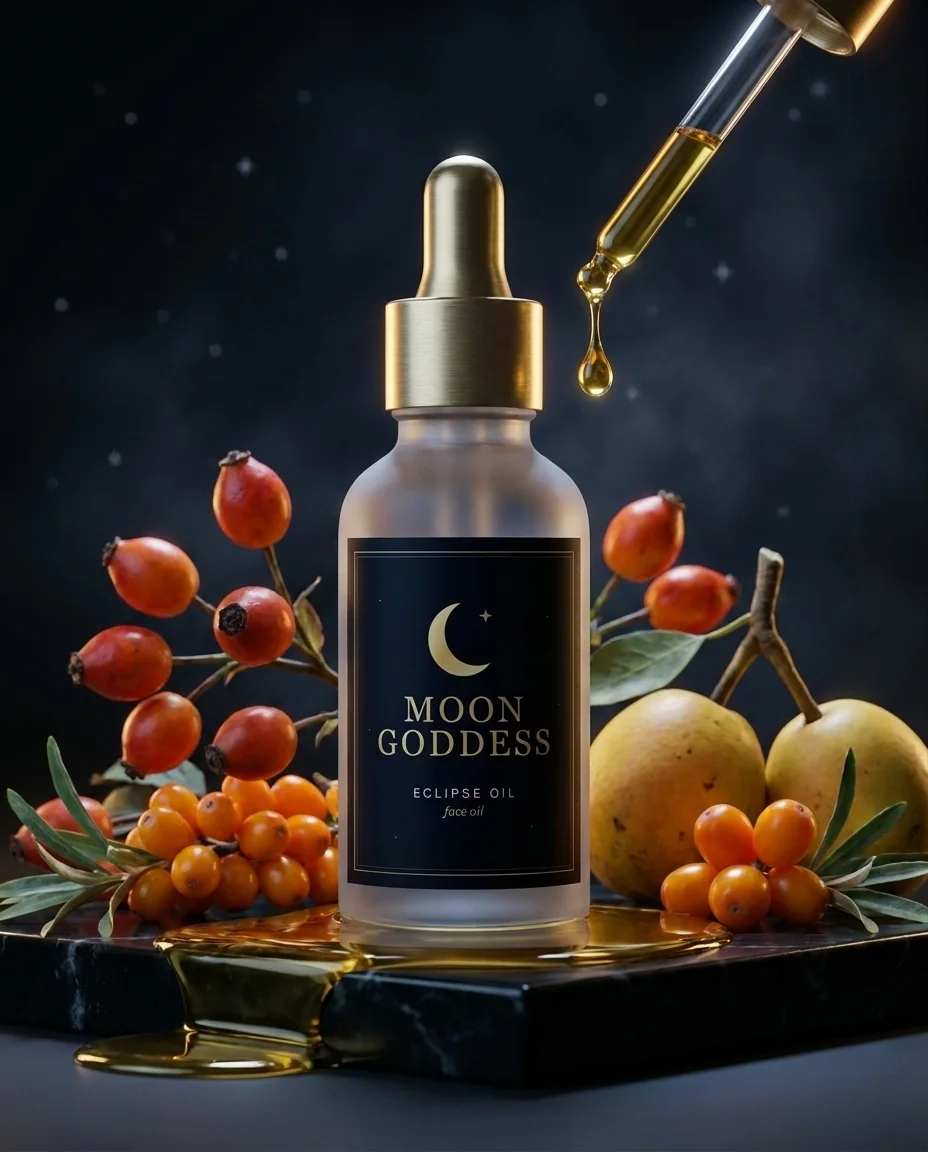
Rosehip, marula and sea buckthorn
Three cold-pressed oils, each chosen for a different job. Rosehip seed oil carries natural vitamin A and essential fatty acids. Marula, from the southern African marula fruit, is rich in oleic acid and antioxidants and absorbs unusually fast. Sea buckthorn brings the rare omega-7.
What it does for you
Seals in everything you applied before it, softens rough patches, supports the skin barrier, and helps the look of scars and uneven tone over time. It sinks in before you reach the pillow.
Found in
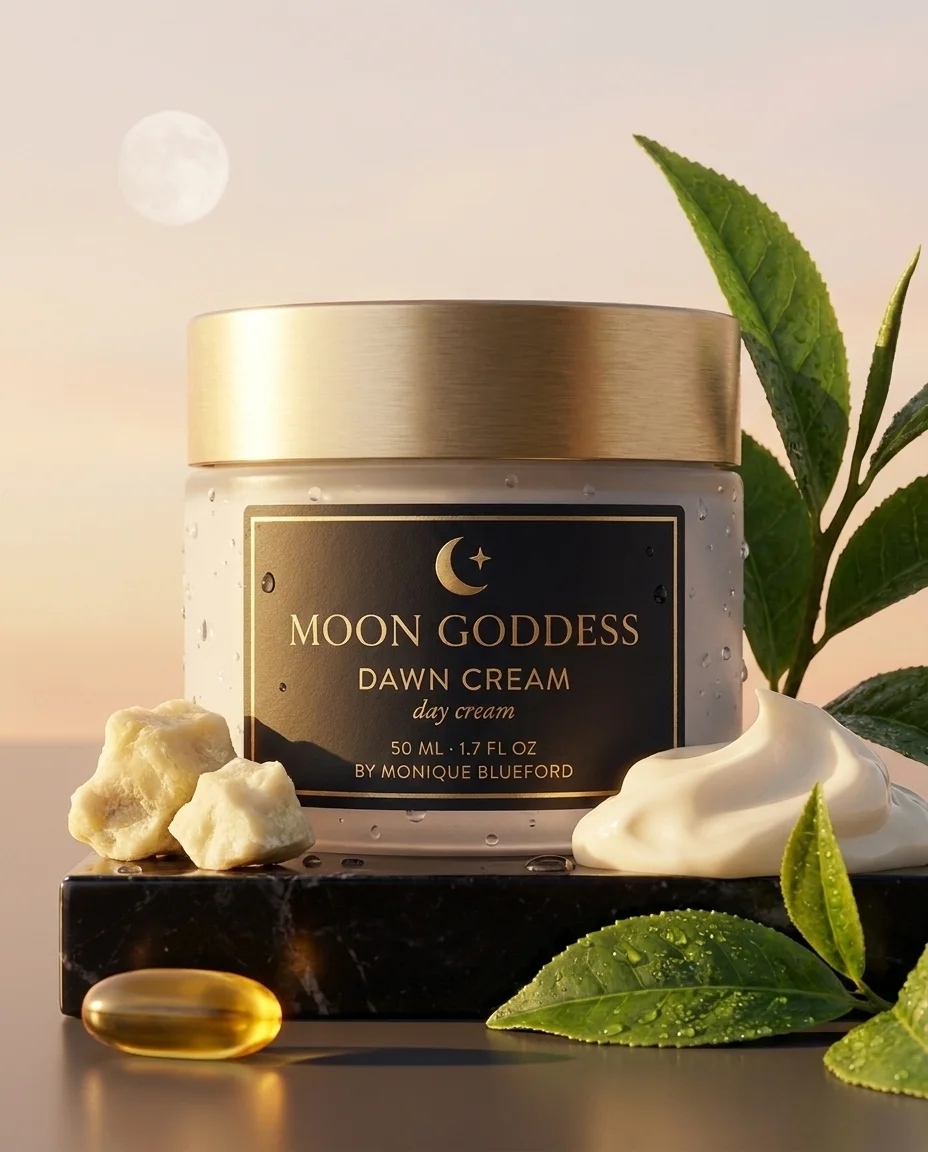
Ceramides and shea butter
Ceramides are the lipids that mortar your skin cells together; skin loses them with age, weather and over-cleansing. Shea butter, pressed from the nut of the West African shea tree, is a rich source of fatty acids and vitamins A and E.
What it does for you
Rebuilds the barrier so moisture stays in and irritants stay out. Skin feels cushioned, looks dewy, and holds up under makeup, sunscreen and a long day. Green tea and vitamin E add daytime antioxidant cover.
Found in
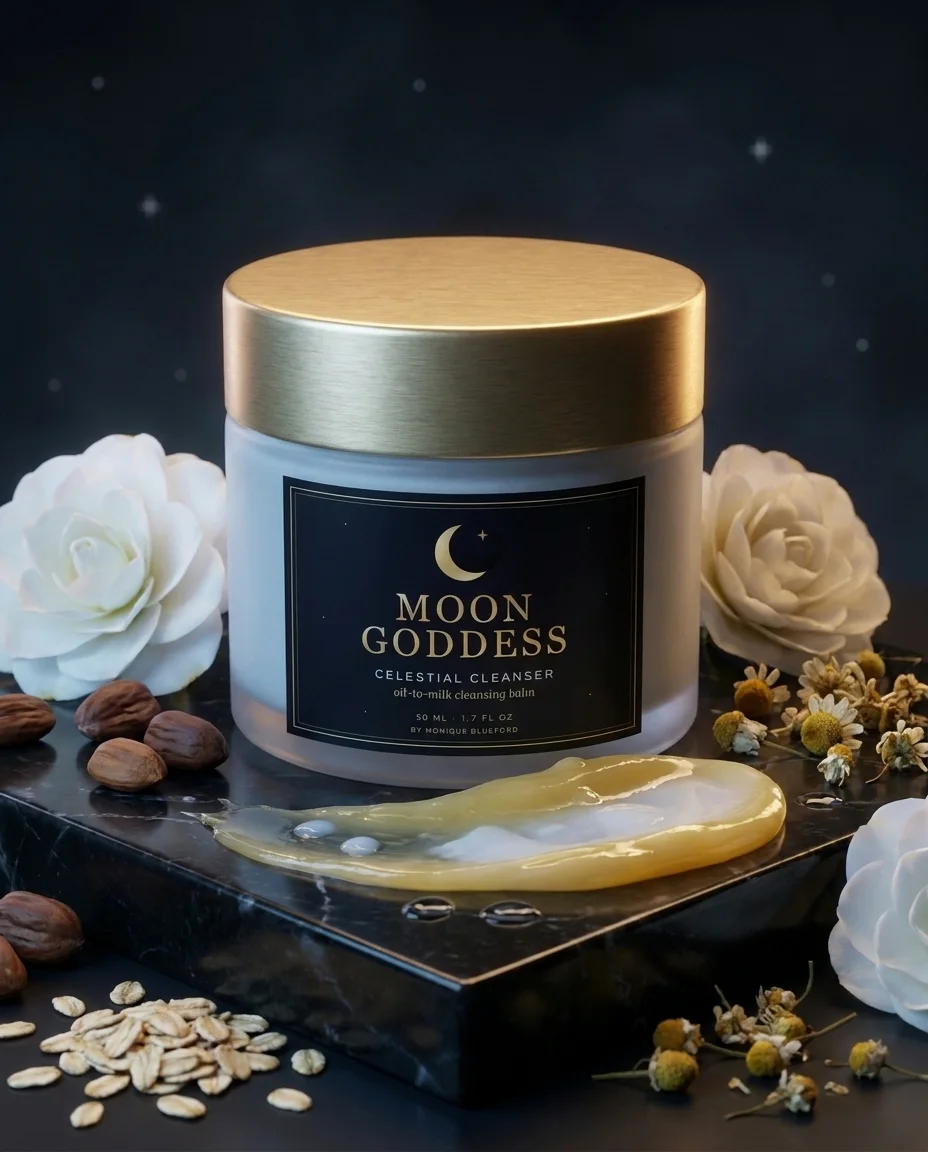
Camellia, jojoba and oat
Camellia seed oil has been used in Japan for centuries to cleanse skin and hair. Jojoba is technically a wax, close in structure to the skin's own sebum. Oat lipids are what make oatmeal baths soothing.
What it does for you
Oil dissolves oil: makeup, sunscreen and the day melt away without the foaming agents that strip skin. Add water and the balm turns to milk, rinses clean, and leaves the barrier intact. Chamomile calms on the way out.
Found in
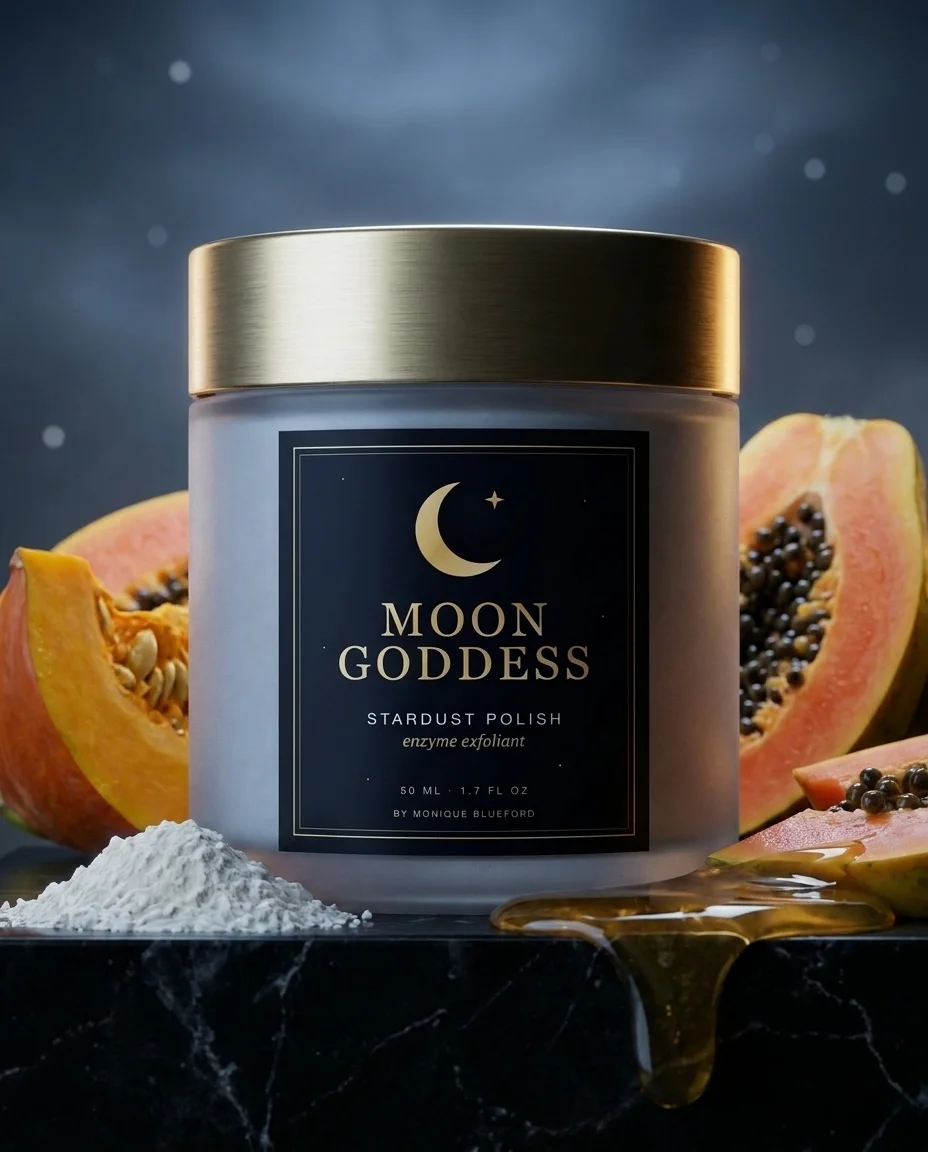
Papaya and pumpkin enzymes
Fruit enzymes that break down the protein bonds holding dull, dead cells to the surface. No grit, no scrubbing, no micro-tears. Rice powder adds the softest trace of texture; honey extract keeps skin comfortable.
What it does for you
Brighter, smoother skin after one use, and better absorption of every serum that follows. Twice a week is enough.
Found in
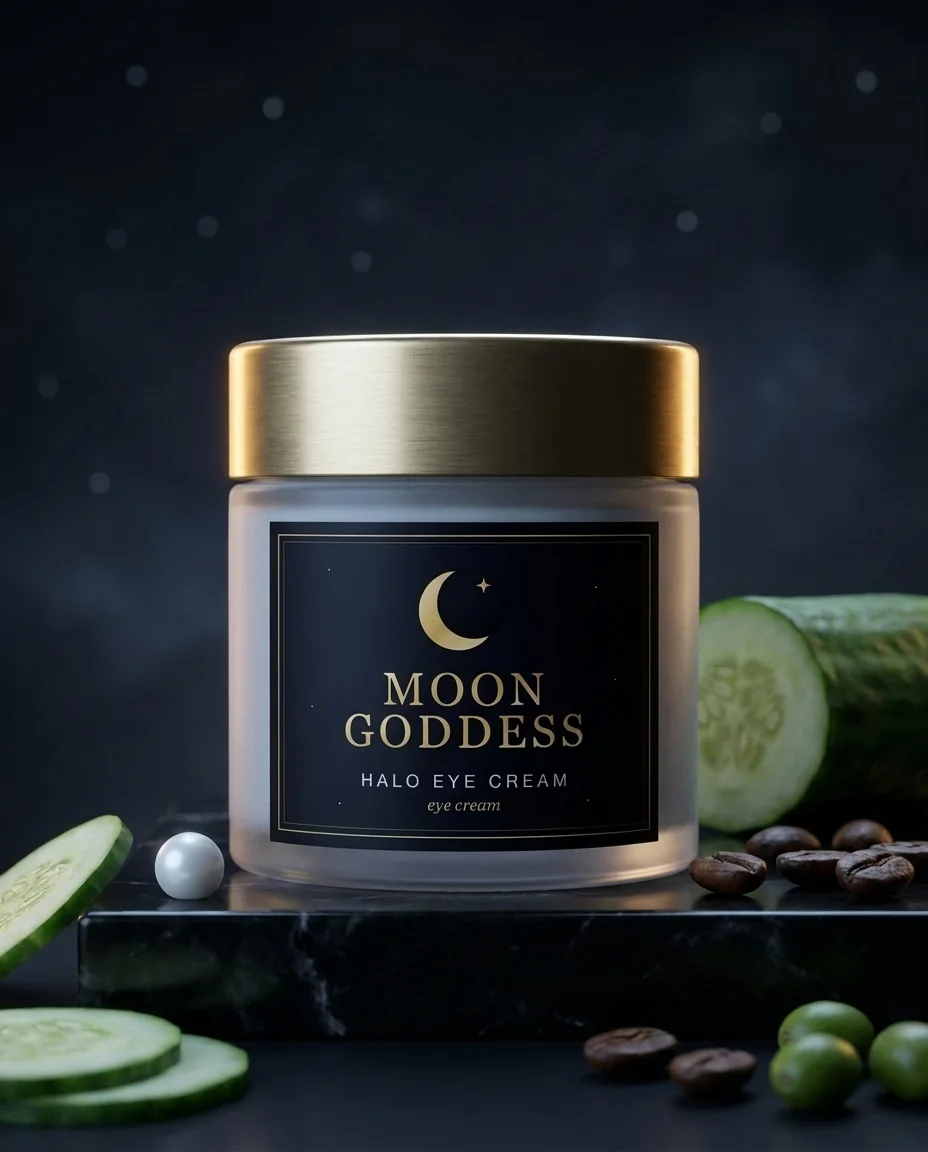
Caffeine and cucumber
Caffeine applied to skin constricts small blood vessels and helps move fluid along, which is why it is the classic ingredient for the eye area. Cucumber extract cools and hydrates.
What it does for you
Morning puffiness settles within minutes. Shadows look lighter over weeks. Peptides and hyaluronic acid in the same formula soften the fine lines that show first around the eyes.
Found in
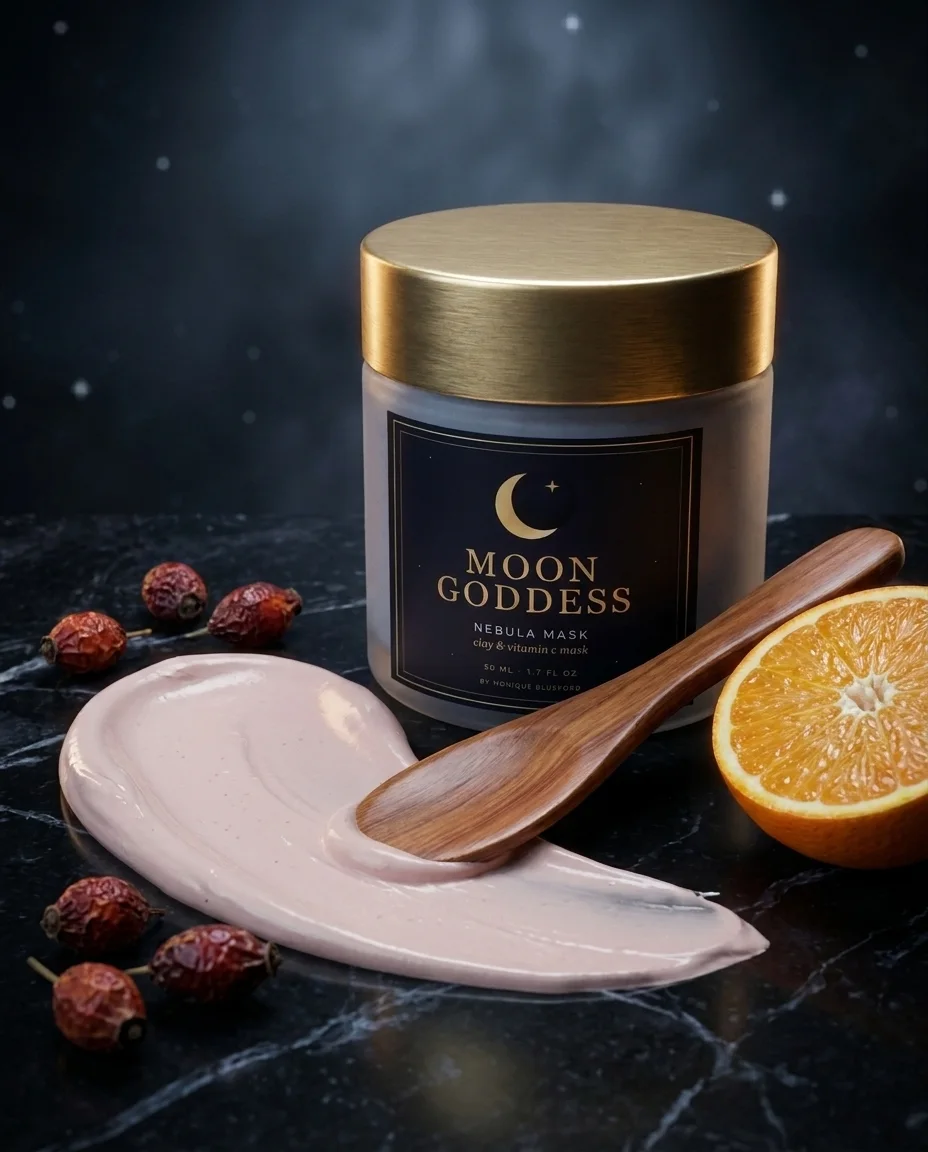
French pink clay
A blend of white and red clays from France, pink because of its iron content. The gentlest of the clays: it draws out congestion and excess oil without the tight, chalky finish of green or bentonite clays.
What it does for you
Pores look clearer and skin looks refined after ten minutes, while vitamin C and rosehip oil in the same mask make sure you rinse off to a glow, not a dry patch. Once a week.
Found in
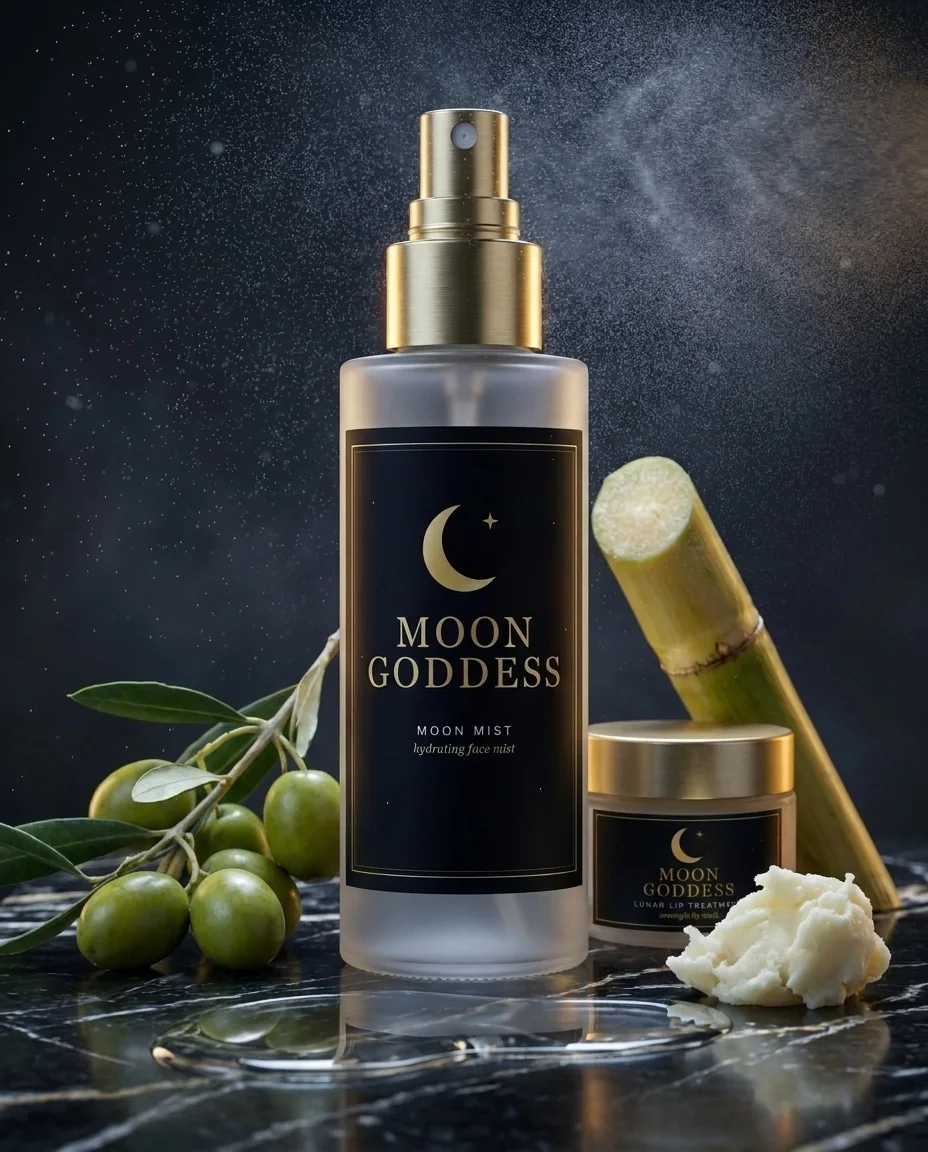
Squalane
Your skin makes squalene as part of its own oil. Ours is the stable plant version, pressed from olives and fermented sugarcane, never from sharks. It is weightless, non-greasy, and suits every skin type including oily.
What it does for you
Softens, balances oil production, and helps other ingredients spread and absorb. It is the quiet ingredient in four of our formulas that makes the texture feel expensive.
Found in
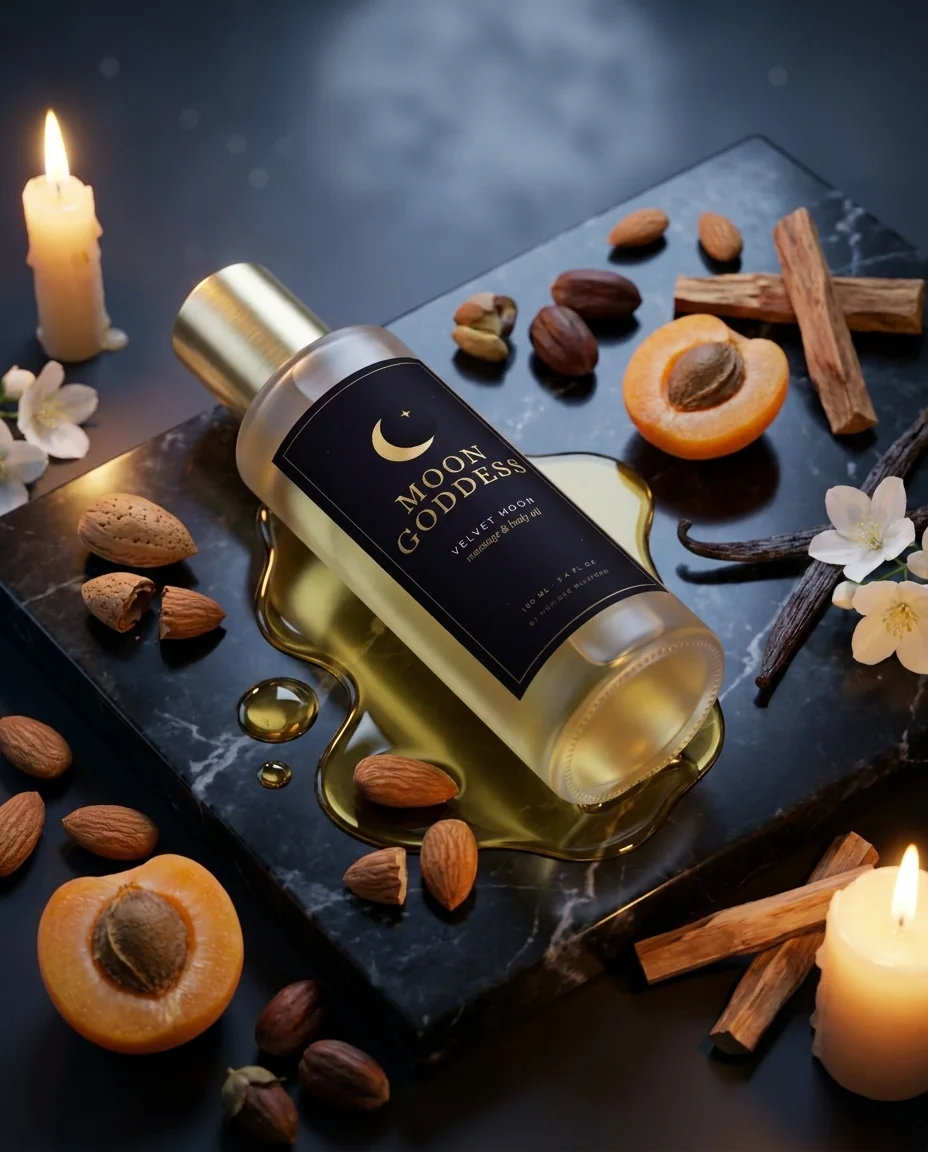
Sweet almond, apricot and jojoba
The classic massage base, and for good reason. Sweet almond oil is rich in oleic acid and vitamin E and glides for a long time without going tacky. Apricot kernel oil is lighter and absorbs faster. Jojoba, closest in structure to the skin's own oil, keeps the blend balanced so it nourishes without clogging. Fractionated coconut oil thins the whole thing to silk.
What it does for you
Long, slow glide for massage; deeply softened, conditioned skin afterwards; no residue on the sheets. The scent comes only from sandalwood, ylang-ylang and real vanilla extract, kept under one percent so it warms the room without ever irritating the skin.
Good to know
Almond and apricot are nut and stone-fruit oils. If you have a tree-nut allergy, skip this one or patch test first. Keep away from the face, eyes and the most delicate areas.
Found in
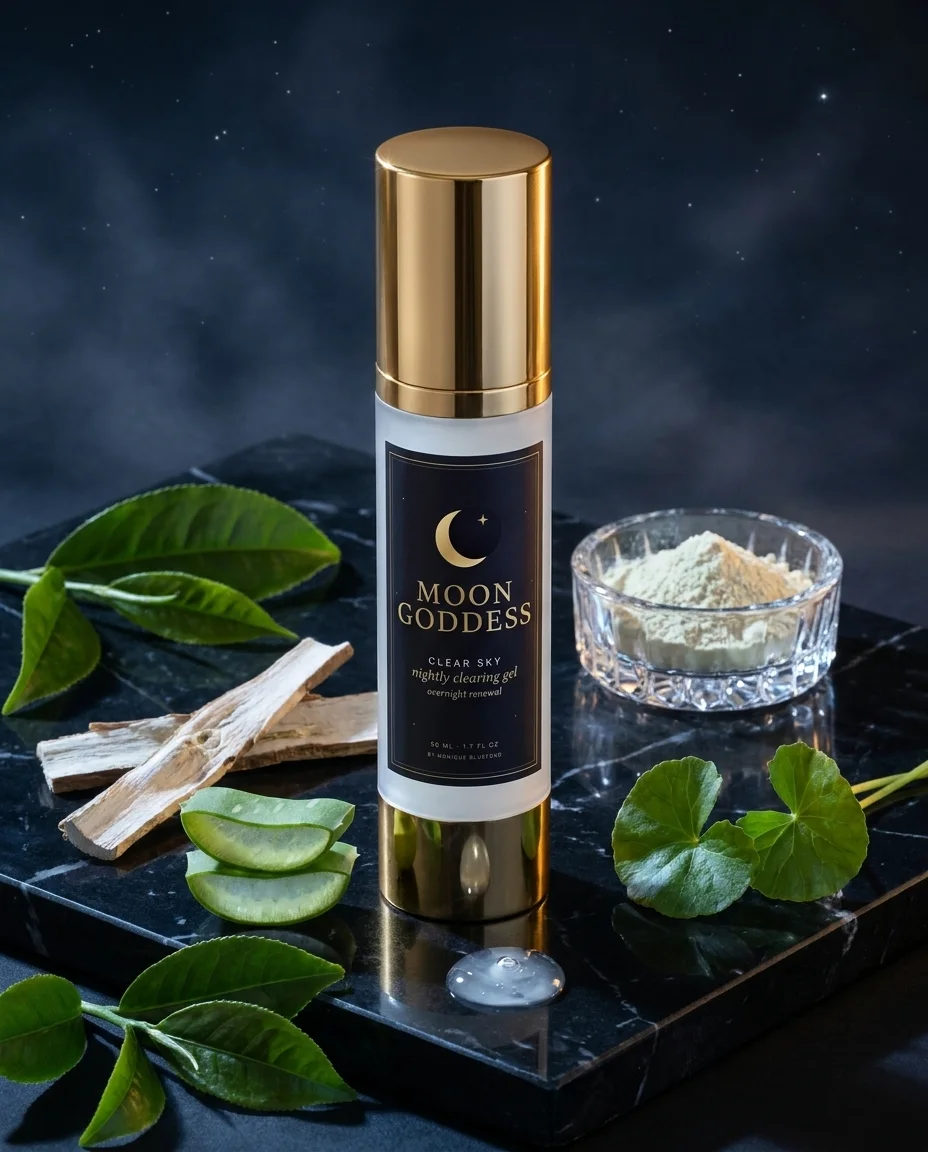
Salicylic acid, azelaic acid and niacinamide
Salicylic acid, originally from willow bark, is the one exfoliating acid that dissolves in oil, so it travels down into the pore and dissolves the plug instead of polishing the surface. Two percent is the strongest concentration allowed over the counter, and the most studied acne ingredient there is. Azelaic acid, made by a yeast that lives naturally on skin, calms inflammation, quiets the bacteria behind breakouts, and is one of the best ingredients known for fading the marks they leave. Niacinamide regulates oil and evens tone.
What it does for you
Fewer new breakouts within two weeks; existing ones calm rather than flare; and the red or dark marks left behind fade instead of setting. Zinc PCA and succinic acid support the oil control, and aloe, centella and green tea keep the skin barrier comfortable while the acids work. This combination was chosen because it clears fair, easily reddened skin and deep, easily darkened skin with the same gentleness.
Good to know
Use at night, start three nights a week, and wear sunscreen every morning. Salicylic acid is not recommended during pregnancy.
Found in
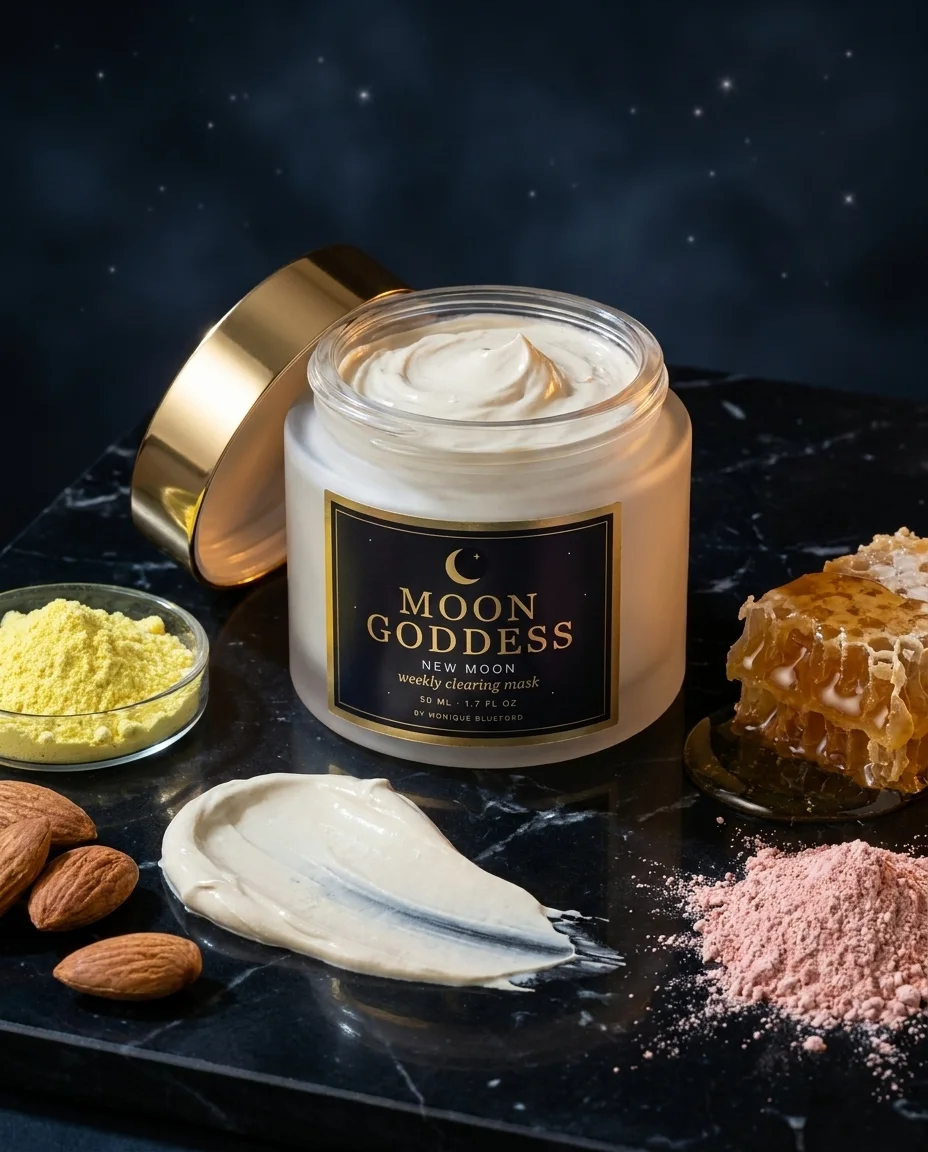
Sulfur, mandelic acid and manuka honey
Sulfur has been used on skin for over a century: it dries out an active spot, loosens dead cells, and is mildly antibacterial. Mandelic acid, from bitter almonds, is the largest of the exfoliating acid molecules, so it enters the skin slowly and gently, which makes it the acid of choice for deeper skin tones and for fair skin that reddens easily. Manuka honey is antibacterial and deeply soothing.
What it does for you
A weekly reset: active spots shrink, congestion lifts with the pink clay, and skin is left calm and smooth rather than tight. The chamomile and aloe are there so the mask rinses off kinder than most clearing masks go on.
Good to know
Mandelic acid is derived from almonds but is not the nut protein; allergy is rare, still patch test. Sulfur has a faint mineral scent that rinses away completely.
Found in
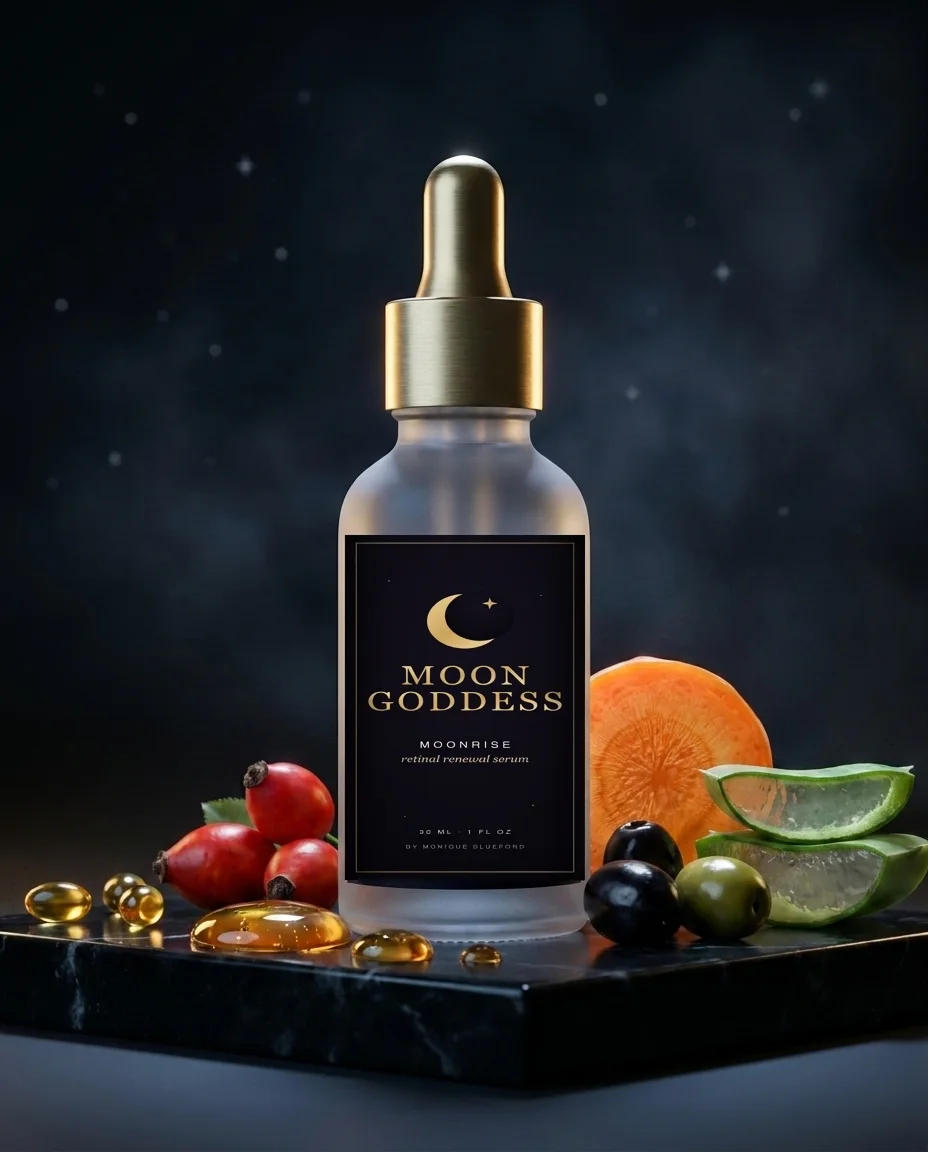
Retinaldehyde and peptides
Vitamin A in its most effective over-the-counter form. Skin has to convert retinol twice before it can use it; retinaldehyde needs only one step, which is why studies find it works up to eleven times faster with noticeably less irritation. Ours is encapsulated, so it releases slowly through the night instead of all at once. Peptides are chains of amino acids that signal skin to make more of its own collagen and elastin.
What it does for you
Faster cell turnover, so skin looks fresher within weeks; more collagen, so it looks firmer and lines soften over two to three months; smaller-looking pores and a more even tone. This is the ingredient with the deepest research behind it for making skin look younger, on fair skin that shows lines and sun early, and on deep skin that shows uneven tone first. Niacinamide, squalane, ceramides and aloe keep the barrier calm while it works.
Good to know
Start two nights a week and build up. Sunscreen every morning. Not for pregnancy or breastfeeding. Never on the same night as an exfoliating acid.
Found in
Clean is the baseline, not the pitch.
Every formula is made by a licensed esthetician in small batches. If you have a known allergy, patch test behind the ear for 24 hours before first use.